Medical Devices and Allied Substances
Medical Devices and Allied Substances are regulated to ensure they meet the required standards of safety, quality, and performance before they are manufactured, imported, distributed, sold, or used within the country. Effective regulation protects patients, healthcare professionals, and the public while supporting access to safe and reliable healthcare technologies.
Medical devices include instruments, apparatus, machines, implants, diagnostic equipment, and software intended for medical purposes such as diagnosis, prevention, monitoring, treatment, or alleviation of disease. Allied substances include healthcare-related products that require regulatory oversight to ensure their safety, quality, and intended use.
The regulatory authority oversees the registration, licensing, importation, exportation, distribution, and post-market surveillance of these products to ensure compliance with national legislation and internationally recognized standards.
Medical Devices
Medical devices may include:
Diagnostic equipment
Surgical instruments
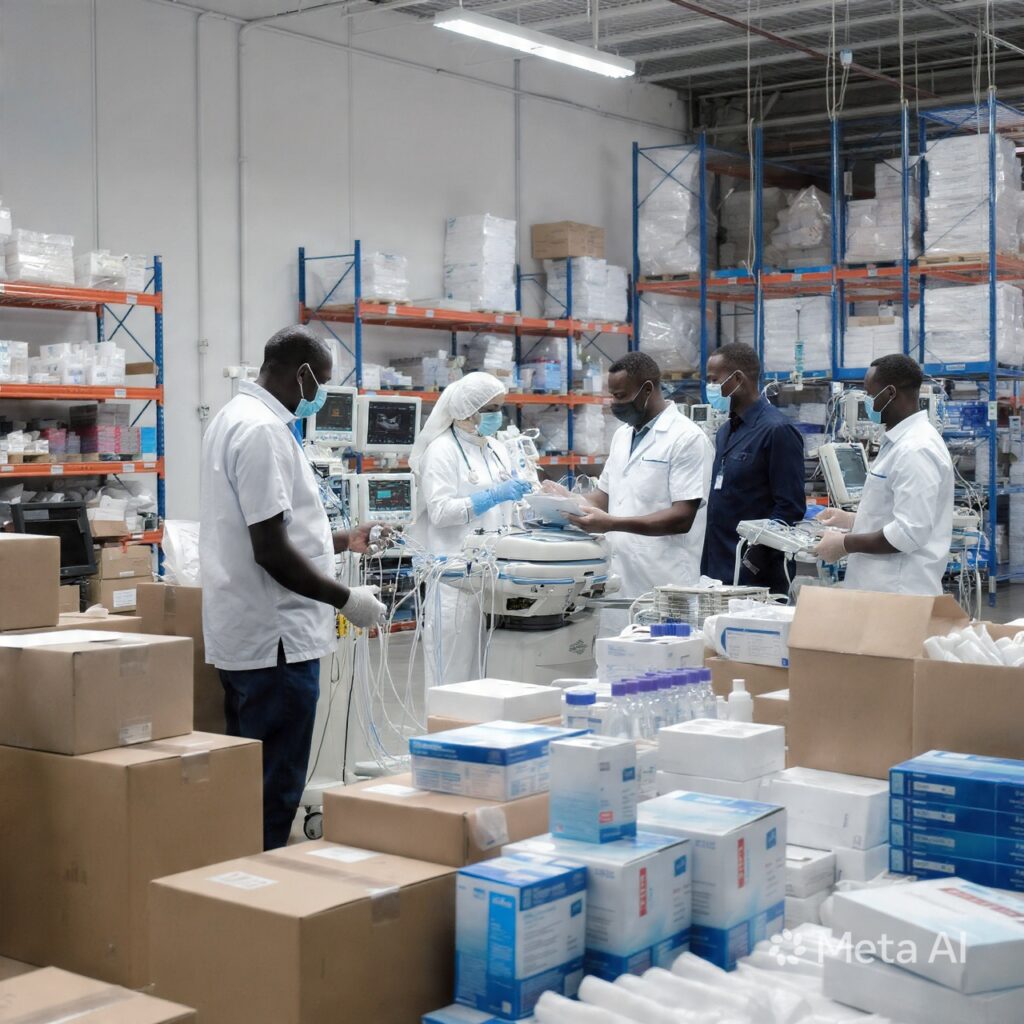
Hospital and laboratory equipment
Medical implants
In-vitro diagnostic (IVD) devices
Medical software and digital health technologies
Disposable medical supplies and consumables
Allied Substances
Allied substances may include:
Disinfectants and antiseptics
Medical gases
Diagnostic reagents
Laboratory chemicals and reagents
Healthcare consumables
Other regulated healthcare-related substances as prescribed by law
Regulatory Requirements
Manufacturers, importers, distributors, wholesalers, and retailers are required to:
Obtain the necessary licences and permits.
Register products where applicable.
Ensure products comply with established quality, safety, and performance standards.
Maintain proper storage, transportation, and distribution conditions.
Keep records to support product traceability.
Report product defects, adverse events, or safety concerns to the regulatory authority.
Comply with routine inspections and post-market surveillance activities.
Regulatory Oversight
The Authority is responsible for:
Evaluating and registering medical devices and allied substances.
Licensing manufacturers, importers, exporters, distributors, and retailers.
Inspecting regulated premises for compliance.
Monitoring product quality, safety, and performance throughout their lifecycle.
Investigating complaints, adverse events, and product defects.
Taking regulatory action against counterfeit, substandard, falsified, or unauthorized products.
Promoting compliance through guidance, education, and stakeholder engagement.
By regulating Medical Devices and Allied Substances, the Authority helps ensure that healthcare providers and the public have access to safe, effective, high-quality, and reliable products that support quality healthcare delivery and protect public health.